

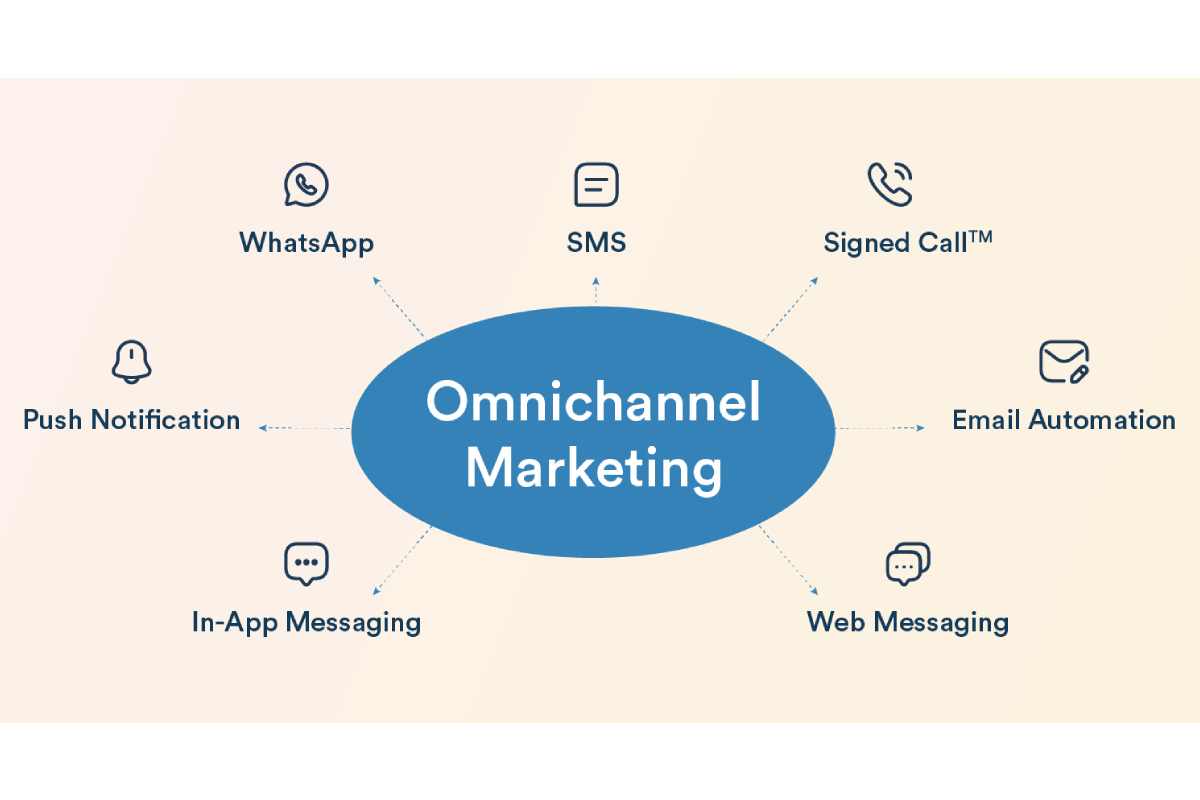
The digital marketing landscape has become increasingly complex over the past decade. Customers no longer interact with businesses through a single channel before making a purchase decision. Instead, they move between websites, social media platforms, email campaigns, mobile apps, online advertisements, and even physical stores. Because of this shift in consumer behavior, businesses must develop marketing strategies that provide a seamless experience regardless of where customers engage with their brand.
This is where an omnichannel marketing strategy becomes essential. Omnichannel marketing focuses on creating a unified customer experience across all marketing and communication channels. Rather than treating each channel separately, businesses integrate them into a cohesive system that keeps customer interactions connected and consistent.
As competition continues to increase across industries, companies that successfully implement omnichannel marketing strategies often achieve higher customer satisfaction, stronger brand loyalty, and better conversion rates. Understanding how omnichannel marketing works and why it matters can help businesses stay competitive in today’s digital-first environment.
What Is an Omnichannel Marketing Strategy?
An omnichannel marketing strategy is a customer-centric approach that connects multiple communication channels into a single, seamless experience. The goal is to ensure that customers receive consistent messaging and interactions regardless of how they engage with a brand.
For example, a customer may first discover a product through a Facebook advertisement. Later, they might visit the company website to learn more, subscribe to an email newsletter, and eventually complete a purchase through a mobile app. With an effective omnichannel strategy, every interaction feels connected rather than isolated.
Unlike traditional marketing approaches that operate channels independently, omnichannel marketing focuses on creating continuity throughout the customer journey.
Why Omnichannel Marketing Matters in 2026
Consumer expectations have changed dramatically. Modern customers expect brands to recognize them across platforms and provide personalized experiences based on previous interactions.
When businesses fail to deliver a consistent experience, customers often become frustrated and may choose competitors instead. An omnichannel approach helps eliminate these friction points by ensuring that customer information and engagement history are shared across channels.
This consistency improves customer satisfaction while increasing the likelihood of repeat purchases and long-term loyalty. As digital channels continue to expand, omnichannel marketing has become less of a competitive advantage and more of a necessity.
Omnichannel Marketing vs Multichannel Marketing
Many marketers confuse omnichannel marketing with multichannel marketing, but the two concepts are significantly different.
Multichannel marketing simply means a business uses multiple platforms to communicate with customers. These channels may include email, social media, websites, and paid advertising. However, each channel often operates independently.
Omnichannel marketing goes a step further by integrating all channels into a unified system. Customer interactions are connected, allowing businesses to deliver personalized experiences based on previous behavior.
The key difference is integration. While multichannel marketing focuses on channel presence, omnichannel marketing focuses on customer experience.
Key Components of a Successful Omnichannel Marketing Strategy
A successful omnichannel strategy begins with understanding the customer journey. Businesses must identify how customers discover, research, evaluate, and purchase products or services.
Customer data plays a crucial role in this process. By collecting and analyzing information from multiple touchpoints, businesses can gain deeper insights into customer preferences and behaviors.
Technology also serves as a foundation for omnichannel marketing. Customer relationship management systems, marketing automation platforms, and analytics tools help businesses connect channels and deliver personalized experiences at scale.
Consistency is another critical component. Branding, messaging, tone of voice, and customer support should remain aligned across every platform.
Benefits of Implementing an Omnichannel Marketing Strategy
Businesses that invest in omnichannel marketing often experience significant improvements in customer engagement and overall marketing performance.
One major benefit is increased customer retention. When customers enjoy consistent and personalized experiences, they are more likely to remain loyal to a brand over time.
Omnichannel strategies also improve conversion rates. Customers can move seamlessly between channels without losing progress in their buying journey, reducing barriers to purchase.
Additionally, businesses gain access to more comprehensive customer data, enabling them to make smarter marketing decisions and improve campaign effectiveness.
How Customer Data Drives Omnichannel Success
Data is the engine that powers modern omnichannel marketing strategies. Every customer interaction provides valuable insights that can be used to improve future experiences.
For example, if a customer repeatedly views a specific product category, businesses can use this information to send targeted recommendations or promotional offers. Similarly, previous purchase history can help personalize email campaigns and product suggestions.
By combining data from multiple sources, marketers can develop a more complete understanding of customer behavior and deliver highly relevant content at the right time.
Common Challenges in Omnichannel Marketing
Although omnichannel marketing offers numerous benefits, implementation can be challenging. One of the biggest obstacles is data fragmentation. Many businesses store customer information across separate systems that do not communicate effectively with one another.
Technology integration can also be complex, particularly for organizations using outdated software solutions. Aligning teams across marketing, sales, customer support, and IT departments often requires significant coordination and planning.
Privacy regulations present another challenge. Businesses must ensure that customer data is collected, stored, and used responsibly while complying with applicable laws.
Best Practices for Building an Effective Omnichannel Strategy
Successful omnichannel marketing requires a clear understanding of customer needs and expectations. Businesses should begin by mapping the customer journey and identifying key touchpoints.
Investing in centralized customer data platforms can help create a unified view of customer interactions. This allows businesses to personalize communications and improve decision-making.
Consistency should remain a priority across all channels. Customers should receive the same quality experience whether they engage through email, social media, mobile applications, or websites.
Regular performance analysis is equally important. Monitoring customer behavior and campaign results helps businesses identify opportunities for improvement.
The Role of Artificial Intelligence in Omnichannel Marketing
Artificial intelligence is transforming how businesses execute omnichannel marketing strategies. AI-powered tools can analyze large volumes of customer data, identify behavioral patterns, and automate personalized communications.
Chatbots, recommendation engines, predictive analytics, and marketing automation platforms enable businesses to deliver more relevant experiences while reducing manual effort.
As AI technology continues to evolve, it will play an increasingly important role in helping organizations manage complex omnichannel ecosystems.
Future Trends in Omnichannel Marketing
The future of omnichannel marketing will be shaped by advancements in artificial intelligence, machine learning, and customer data management.
Voice search, conversational commerce, augmented reality, and personalized AI assistants are expected to create new customer touchpoints. Businesses will need to adapt their strategies to maintain consistent experiences across these emerging channels.
Organizations that embrace innovation while maintaining a customer-centric approach will be best positioned for long-term success.
Conclusion
An omnichannel marketing strategy is no longer optional for businesses seeking sustainable growth in a highly competitive digital environment. Customers expect seamless experiences across every interaction, and companies that meet these expectations often achieve stronger engagement, higher retention rates, and increased revenue.
By integrating communication channels, leveraging customer data, and embracing emerging technologies, businesses can create meaningful customer experiences that drive long-term success. As digital marketing continues to evolve, omnichannel strategies will remain at the center of effective customer engagement and business growth.