
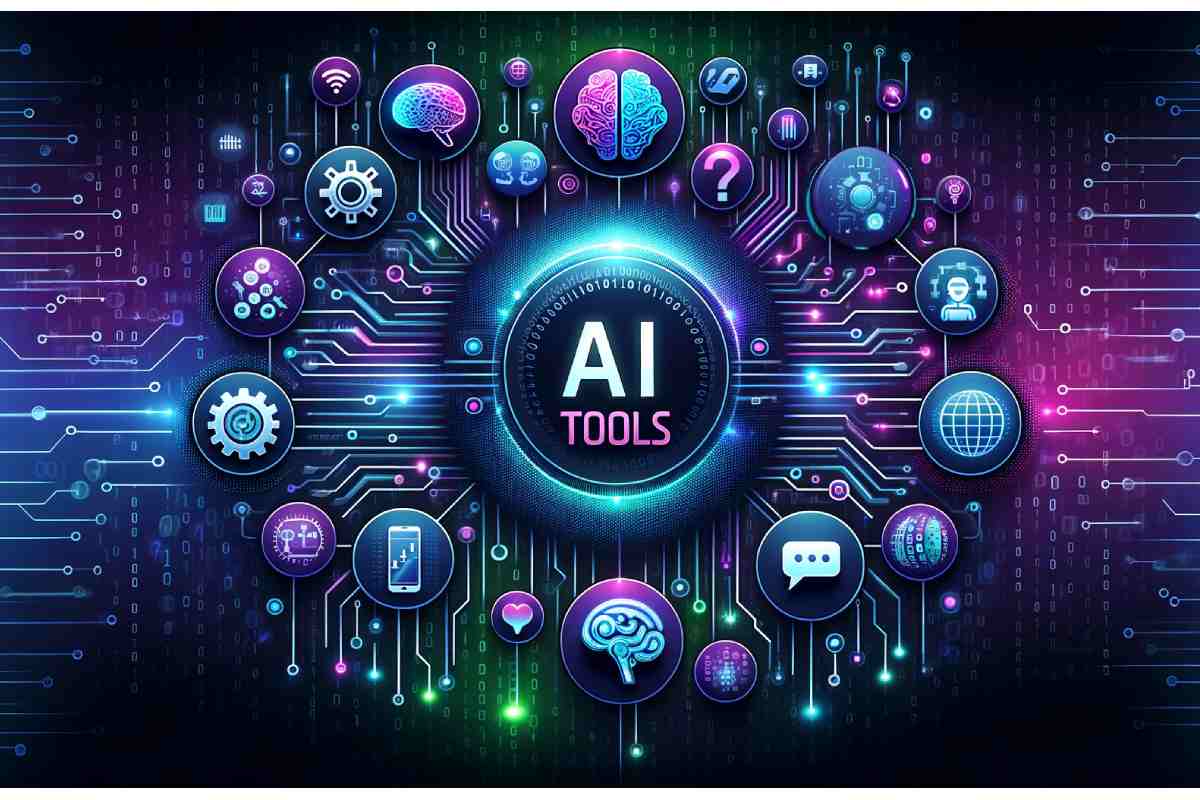
Work has changed more in the last few years than in the previous decade. The shift is not just about remote jobs or digital tools, but about how tasks are completed at a fundamental level. Artificial intelligence has quietly become a part of everyday workflows, and in 2026, AI tools for productivity are shaping how people plan, create, and execute their work.
What makes this change so significant is not just speed, but the way AI reduces mental load. Tasks that once required hours of attention can now be completed with minimal effort. This allows people to focus on thinking, strategy, and creativity rather than repetitive actions. As a result, productivity is no longer about working harder but about working smarter.
The Rise of AI Tools for Productivity
The increasing use of AI tools for productivity is driven by the growing need to handle more information in less time. Every day, individuals deal with emails, documents, data, meetings, and decisions. Managing all of this manually is not only time-consuming but also exhausting.
AI tools are designed to simplify this process. They can organise information, suggest actions, and even complete tasks automatically. This shift is making productivity more efficient and less stressful. Instead of juggling multiple responsibilities, users can rely on intelligent systems to handle routine work.
In 2026, these tools will not be limited to specific industries. They are being used in marketing, education, development, content creation, and even personal planning. This wide adoption shows how essential AI has become in modern workflows.
How AI Tools Are Transforming Daily Work
One of the most noticeable productivity gains from AI tools is the speed at which tasks are completed. Activities that once required manual effort can now be handled in seconds. This includes writing drafts, analysing data, scheduling meetings, and organising workflows.
Another major change is the reduction of errors. AI systems can process large amounts of data with high accuracy, which helps avoid mistakes that often occur in manual work. This is especially useful in tasks that require attention to detail.
AI tools are also improving decision-making. By analysing patterns and providing insights, they help users make informed choices quickly. This ability to combine speed with accuracy is what makes AI tools so powerful in improving productivity.
AI Tools and the Shift Toward Smart Workflows
The concept of productivity has shifted from completing tasks manually to managing intelligent systems. AI tools for productivity are creating workflows where tasks are interconnected and automated. This means that one action can trigger a series of processes without requiring constant supervision.
For example, a simple input can lead to content creation, data analysis, and reporting, all handled by AI. This interconnected approach reduces the need for repetitive actions and allows users to focus on high-value work.
Smart workflows also improve consistency. When tasks are automated, they are performed consistently, ensuring reliable results. This is particularly important for businesses that rely on consistent processes.
The Human Role in an AI-Driven Workplace
Despite the growing use of AI tools for productivity, human involvement remains essential. AI is designed to assist, not replace. It handles repetitive and time-consuming tasks, allowing humans to focus on creativity, strategy, and problem-solving.
In 2026, the most successful individuals are those who understand how to work alongside AI. Instead of competing with technology, they use it to enhance their capabilities. This collaboration between humans and AI is creating a more efficient and balanced work environment.
The human role is also important in guiding AI systems. While AI can process data and make suggestions, it still relies on human input for direction and context. This ensures that the outcomes are aligned with real-world needs.
Challenges of Relying on AI Tools
While AI tools for productivity offer many advantages, they also come with challenges. One of the main concerns is over-reliance. When users depend too much on AI, they may lose the ability to perform tasks independently.
Another challenge is the quality of output. AI-generated results depend on the data and instructions provided. If the input is unclear or inaccurate, the output may not meet expectations. This requires users to review and refine the results.
Privacy is also a concern. Many AI tools rely on data to function effectively, which raises questions about how that data is used and stored. Ensuring data security is essential for maintaining trust.
The Future of AI Tools for Productivity
The future of AI tools for productivity lies in deeper integration and personalisation. As these tools become more advanced, they will adapt to individual preferences and work styles. This will make them more effective and easier to use.
In the coming years, AI tools are expected to become more intuitive. They will better understand the context and provide more accurate suggestions. This will further reduce the effort required to complete tasks.
The combination of AI and human intelligence will continue to shape the future of work. As technology evolves, productivity will become less about effort and more about smart decision-making.
Conclusion
AI tools for productivity are redefining how work is done in 2026. By automating tasks, improving accuracy, and enhancing decision-making, they are making work more efficient and less stressful. While challenges exist, the benefits of using AI tools far outweigh the limitations.
The key to success lies in using these tools effectively. When combined with human creativity and judgment, AI can unlock new levels of productivity. As the digital landscape continues to evolve, those who embrace AI tools will be better positioned to succeed.
FAQs
What are AI tools for productivity?
AI tools for productivity are software systems that use artificial intelligence to automate tasks and improve efficiency.
Are AI tools suitable for individuals?
Yes, AI tools are designed for both individuals and businesses, making them widely accessible.
Do AI tools replace human work?
No, they support human work by handling repetitive tasks and improving efficiency.
Are AI tools safe to use
They are generally safe, but users should ensure data privacy and security.