

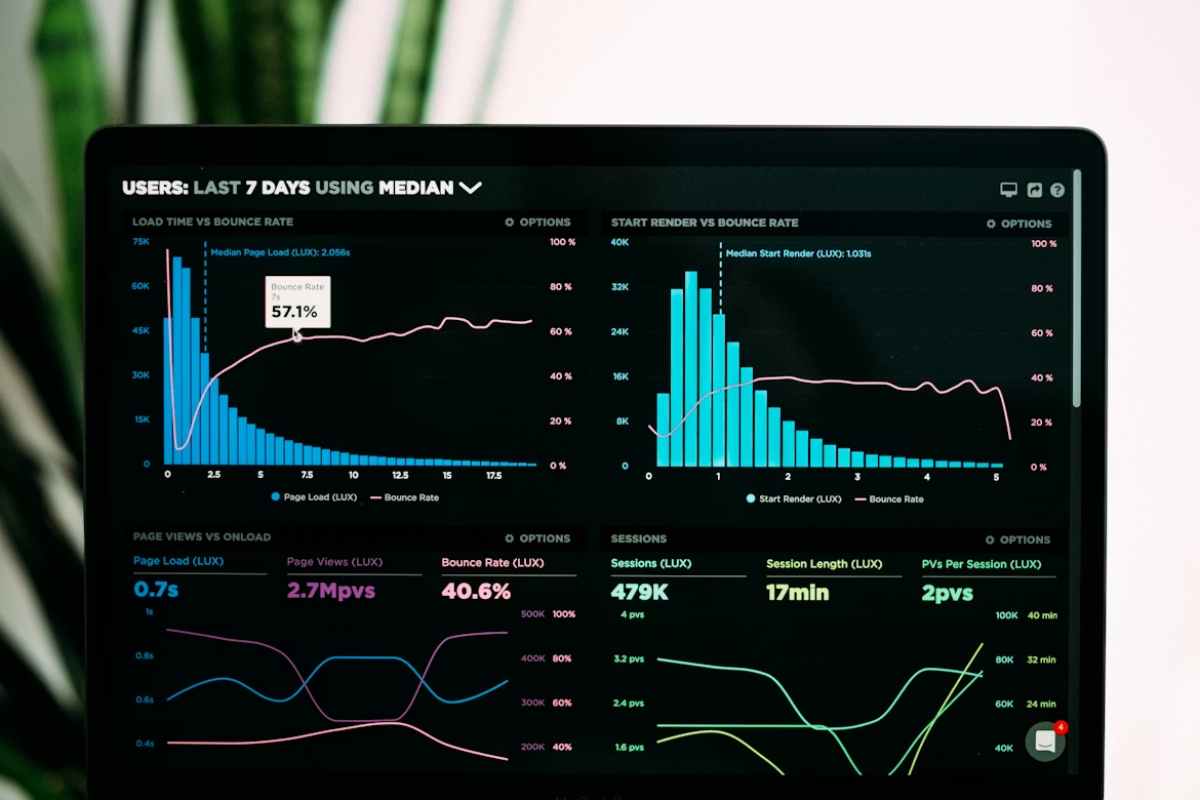
The world of e-commerce has evolved far beyond simple online storefronts. Today, success is no longer just about having products available—it’s about understanding customers deeply, anticipating their needs, and delivering experiences that feel tailored and effortless. This shift has been driven largely by artificial intelligence, which is transforming how businesses collect, interpret, and act on data.
AI in e-commerce analytics is not just a trend; it is a powerful force reshaping how brands interact with their customers. At the centre of this transformation are predictive analytics and personalisation—two capabilities that are redefining how online businesses grow, compete, and build long-term relationships.
Understanding AI in E-commerce Analytics
Artificial intelligence in e-commerce analytics refers to the use of advanced algorithms and machine learning techniques to process large volumes of data and uncover meaningful patterns. Unlike traditional analytics, which focuses on what has already happened, AI goes a step further by predicting future behaviour and suggesting actions.
E-commerce platforms generate enormous amounts of data every second. From browsing patterns and purchase history to abandoned carts and search queries, every interaction tells a story. AI analyses this data at a scale and speed that humans cannot match, turning raw information into actionable insights.
This shift from reactive to proactive decision-making is what makes AI such a game-changer. Businesses are no longer guessing what customers might want—they are using data-driven predictions to guide every move.
The Emergence of Predictive Analytics
Moving Beyond Historical Data
Traditional analytics has always focused on past performance. Metrics like sales reports, traffic data, and conversion rates help businesses understand what worked and what didn’t. While this information is valuable, it has limitations because it only reflects what has already happened.
Predictive analytics changes this perspective entirely. By using machine learning models, businesses can analyse historical data and identify patterns that indicate future outcomes. This allows ecommerce brands to forecast demand, anticipate customer behaviour, and make smarter decisions before events even occur.
How Predictive Analytics Works in E-commerce
Predictive analytics relies on algorithms that learn from data over time. These models continuously improve as they process more information, becoming more accurate with each interaction. For e-commerce businesses, this means better insights into customer preferences, buying habits, and trends.
For example, predictive systems can identify which products are likely to be popular in upcoming seasons. They can also determine which customers are at risk of leaving and suggest strategies to retain them. This level of foresight enables businesses to stay one step ahead of the competition.
Real Impact on Business Performance
The impact of predictive analytics is significant. It helps reduce uncertainty, optimise inventory management, and improve marketing efficiency. Businesses can allocate resources more effectively when guided by data rather than assumptions.
More importantly, predictive analytics enhances the customer experience. When businesses anticipate what customers want, they can deliver faster, more relevant, and more satisfying interactions.
The Power of Personalisation in E-commerce
Creating Unique Customer Experiences
Personalisation is about making every customer feel understood. In a crowded e-commerce landscape, generic experiences are no longer enough. Customers expect brands to recognise their preferences and provide recommendations that align with their interests.
AI makes this possible by analysing individual behaviour and tailoring content accordingly. From product recommendations to personalised emails, every touchpoint can be customised to match the customer’s journey.
How AI Drives Personalisation
AI-powered personalisation works by collecting and analysing data from multiple sources. It considers factors such as browsing history, purchase patterns, location, and even time of day. This data is then used to create dynamic experiences that change in real time.
For instance, when a customer visits an online store, AI can instantly recommend products based on their previous interactions. This not only improves the shopping experience but also increases the likelihood of conversion.
Personalisation Beyond Recommendations
While product recommendations are the most visible form of personalisation, AI goes much deeper. It can personalise pricing strategies, optimise search results, and even adjust website layouts to suit individual users.
Email marketing is another area where personalisation shines. AI can determine the best time to send emails, the types of content that resonate with each customer, and the offers most likely to drive engagement.
The Intersection of Predictive Analytics and Personalisation
Turning Data into Meaningful Experiences
Predictive analytics and personalisation are closely connected. Predictive models identify what customers are likely to do, while personalisation ensures that the experience aligns with those predictions.
Together, they create a powerful system that not only understands customers but also responds to them in real time. This combination allows businesses to deliver highly relevant experiences that feel intuitive and engaging.
Enhancing Customer Retention
Customer retention is one of the biggest challenges in e-commerce. Acquiring new customers is often more expensive than retaining existing ones. AI helps address this issue by identifying patterns that indicate when a customer might disengage.
With this insight, businesses can take proactive steps to re-engage customers. Personalised offers, targeted messages, and timely interactions can make a significant difference in keeping customers loyal.
Driving Higher Conversion Rates
When customers see products and offers that match their interests, they are more likely to make a purchase. Predictive analytics helps businesses understand what customers want, while personalisation delivers it compellingly.
This alignment leads to higher conversion rates and increased revenue. It also creates a smoother, more enjoyable shopping experience, encouraging repeat visits.
The Role of Data in AI-Driven E-commerce
Collecting and Managing Data Effectively
Data is the foundation of AI in e-commerce analytics. Without accurate and relevant data, even the most advanced algorithms cannot deliver meaningful results. Businesses need to focus on collecting high-quality data from various sources.
This includes website interactions, customer profiles, transaction history, and external data such as market trends. Proper data management ensures that this information is organised and accessible for analysis.
Ensuring Data Privacy and Trust
As businesses collect more data, concerns about privacy and security become increasingly important. Customers expect their information to be handled responsibly. Transparency and ethical data practices are essential for building trust.
AI systems must be designed with privacy in mind, ensuring that data is used in ways that benefit both the business and the customer without compromising security.
Challenges and Considerations
Balancing Automation and Human Insight
While AI offers powerful capabilities, it should not replace human judgment entirely. Businesses need to strike a balance between automation and human insight. AI can provide recommendations, but strategic decisions still require human understanding.
Combining AI with human expertise leads to better outcomes and more thoughtful decision-making.
Avoiding Over-Personalisation
Personalisation is effective, but too much of it can feel intrusive. Customers may feel uncomfortable if they believe their every move is being tracked. It is important to maintain a balance and ensure that personalisation enhances the experience without overwhelming the user.
Managing Complexity
Implementing AI in e-commerce analytics can be complex. It requires the right tools, infrastructure, and expertise. Businesses must be prepared to invest time and resources to leverage AI capabilities fully.
However, the long-term benefits often outweigh the initial challenges, making it a worthwhile investment.
The Future of AI in E-commerce Analytics
Smarter Predictions and Real-Time Insights
As AI technology continues to evolve, predictive analytics will become even more accurate. Real-time insights will enable businesses to respond instantly to customer behaviour, creating seamless, dynamic experiences.
This will lead to a more responsive e-commerce environment where decisions are made instantly based on current data.
Hyper-Personalization
The future of personalisation lies in hyper-personalisation. This involves creating experiences that are not just tailored but deeply individualised. AI will consider a wide range of factors to deliver experiences that feel uniquely crafted for each customer.
From personalised product bundles to customised shopping journeys, the possibilities are endless.
Integration Across Channels
E-commerce is no longer limited to websites. Customers interact with brands across multiple channels, including mobile apps, social media, and physical stores. AI will play a key role in integrating these channels, ensuring a consistent, personalised experience across all channels.
Conclusion
AI in e-commerce analytics is transforming the way businesses operate and interact with customers. Predictive analytics and personalisation are at the heart of this transformation, enabling brands to move from reactive strategies to proactive, data-driven approaches.
By understanding customer behaviour and delivering tailored experiences, businesses can build stronger relationships, increase conversions, and stay ahead in a competitive market. While challenges exist, the potential of AI far outweighs the limitations.
As technology continues to advance, the role of AI in e-commerce will only grow stronger. Businesses that embrace predictive analytics and personalisation today will be better positioned to thrive in the future, creating experiences that not only meet expectations but exceed them.