
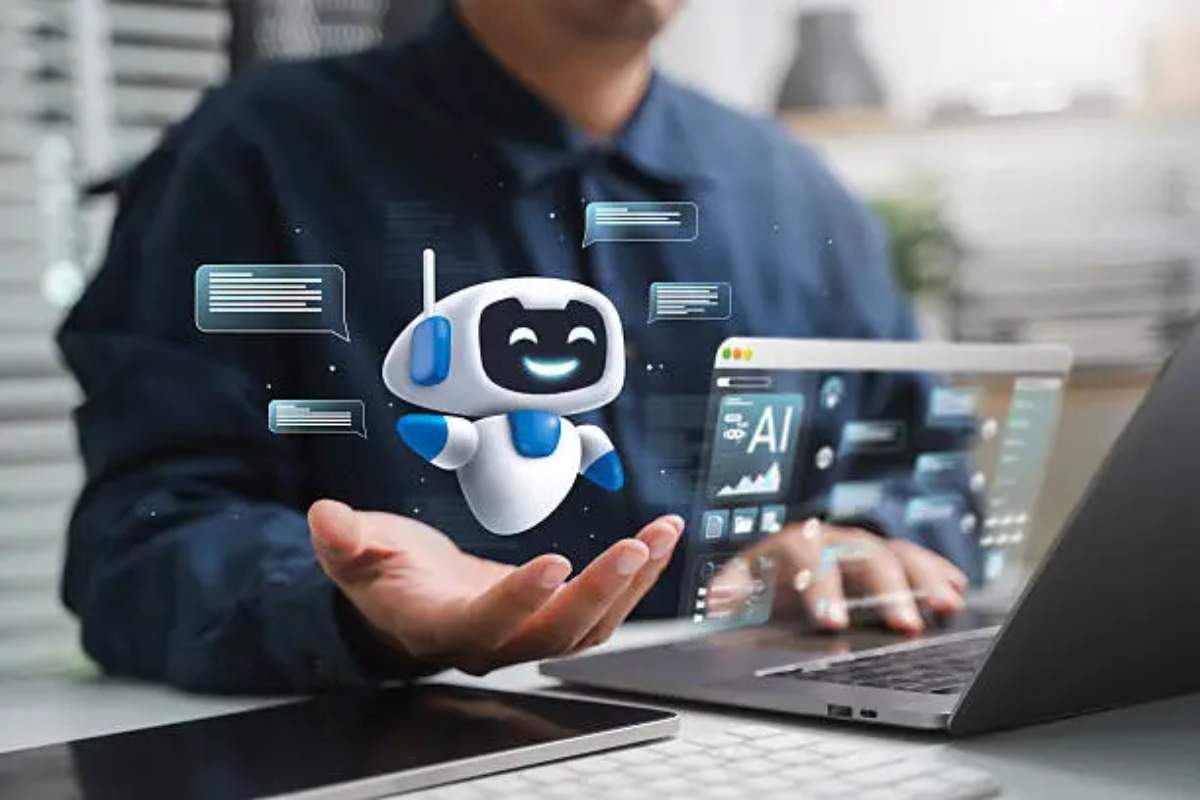
Artificial intelligence is evolving rapidly, and one of the most talked-about innovations in 2026 is the rise of AI agents. While many people are familiar with tools like chatbots and virtual assistants, AI agents represent a much more advanced stage of artificial intelligence. They are not just tools that respond to commands but systems that can act independently, make decisions, and complete tasks without constant human input.
The concept of AI agents is transforming how work is done across industries. From automating repetitive tasks to managing complex workflows, AI agents are becoming an essential part of modern technology. As businesses and individuals seek to improve efficiency and productivity, understanding how AI agents work is becoming increasingly important.
What Are AI Agents
AI agents are intelligent systems designed to perform tasks autonomously. Unlike traditional software that follows fixed instructions, AI agents can learn from data, adapt to changing environments, and make decisions based on their observations. This ability to act independently makes AI agents more powerful than standard automation tools.
An AI agent operates by analysing its environment, identifying goals, and taking actions to achieve them. It can process information, evaluate different options, and choose the best course of action. This makes AI agents capable of handling tasks that require reasoning and decision-making.
In simple terms, AI agents are like digital workers that can think, learn, and act independently. They are designed to reduce the need for constant human intervention and allow systems to function more efficiently.
How AI Agents Work
The working of AI agents is based on a combination of data processing, machine learning, and decision-making algorithms. These systems continuously gather information from their environment and use it to improve their performance.
When an AI agent receives a task, it analyses the available data and determines the best way to complete it. It then executes the necessary actions and monitors the results. If the outcome is not as expected, the agent adjusts its approach and tries again. This continuous learning process allows AI agents to become more effective over time.
Another important aspect of AI agents is their ability to interact with other systems. They can communicate with databases, software applications, and even other AI agents to complete complex tasks. This interconnected approach makes them highly versatile and capable of handling a wide range of activities.
Why AI Agents Are Important in 2026
The importance of AI agents in 2026 comes from the growing need for automation and efficiency. As businesses deal with increasing amounts of data and complex processes, traditional methods are no longer sufficient. AI agents provide a solution by automating tasks that would otherwise require significant time and effort.
AI agents are also important because they can operate continuously without fatigue. Unlike humans, they can work around the clock, ensuring that tasks are completed quickly and efficiently. This makes them particularly valuable in industries where speed and accuracy are critical.
Another reason for their importance is their ability to adapt. AI agents can learn from new data and adjust their behaviour accordingly. This flexibility enables them to adapt to changing conditions and remain effective in dynamic environments.
How AI Agents Are Changing Work
AI agents are redefining how work is done by automating tasks and boosting productivity. In many industries, they are taking over repetitive, time-consuming tasks, allowing humans to focus on more creative, strategic work.
In business operations, AI agents are used to manage workflows, analyse data, and generate insights. They can handle tasks such as scheduling, reporting, and customer interactions with minimal human involvement. This not only saves time but also reduces the risk of errors.
In software development, AI agents help developers write code, debug programs, and optimise performance. They can analyse large codebases and identify issues more quickly than traditional methods.
Customer service is another area where AI agents are making a significant impact. They can respond to inquiries, resolve issues, and provide support in real time. This improves the overall customer experience and ensures faster response times.
Benefits of AI Agents
One of the main benefits of AI agents is increased efficiency. By automating tasks, they reduce the time required to complete processes and improve overall productivity. This allows businesses to operate more effectively and achieve better results.
Another benefit is accuracy. AI agents can process large amounts of data with high precision, reducing the likelihood of errors. This is particularly important in fields such as finance and healthcare, where accuracy is critical.
AI agents also provide scalability. As businesses grow, the demand for tasks increases. AI agents can handle this increased workload without requiring additional resources, making them a cost-effective solution.
Additionally, AI agents enhance decision-making by providing insights based on data analysis. They can identify patterns and trends that may not be immediately apparent, helping businesses make informed decisions.
Challenges of AI Agents
Despite their advantages, AI agents also come with challenges. One of the main concerns is the complexity of implementation. Developing and deploying AI agents requires expertise and resources, which can be a barrier for some organisations.
Another challenge is the potential for misuse. As AI agents become more powerful, they can also be used for harmful purposes. Ensuring that these systems are used responsibly is an important consideration.
Data privacy is another issue. AI agents rely on large amounts of data, raising concerns about how it is collected and used. Protecting user information is essential to maintaining trust and compliance.
There is also the challenge of dependency. As organisations rely more on AI agents, there is a risk of becoming too dependent on automation. Balancing human involvement with automated systems is important to ensure long-term sustainability.
Future of AI Agents
The future of AI agents is expected to be even more advanced and integrated into everyday life. As technology continues to evolve, AI agents will become more capable of handling complex tasks and making independent decisions.
In the coming years, AI agents are likely to become more personalised, adapting to individual preferences and behaviours. This will make them more effective in providing tailored solutions and improving user experiences.
AI agents are also expected to play a key role in emerging technologies such as smart cities, autonomous systems, and advanced robotics. Their ability to process data and make real-time decisions will drive innovation across multiple industries.
As adoption increases, the role of AI agents will continue to expand, making them a fundamental part of the digital ecosystem.
Conclusion
AI agents are transforming the way technology is used in 2026. By combining intelligence, automation, and adaptability, they are redefining how tasks are performed and how systems operate. From improving efficiency to enabling real-time decision-making, AI agents offer significant advantages for both individuals and businesses.
While there are challenges associated with their use, the potential benefits make them an essential part of the future. As AI agents continue to evolve, they will play an increasingly important role in shaping the way we work and interact with technology.
Understanding AI agents and their impact is key to staying ahead in a rapidly changing digital world. By embracing this technology, businesses and individuals can unlock new opportunities and achieve greater efficiency.
FAQs
What are AI agents in simple terms?
AI agents are intelligent systems that can perform tasks independently and make decisions without constant human input.
How are AI agents different from chatbots?
AI agents are more advanced than chatbots because they can learn, adapt, and perform complex tasks autonomously.
Can AI agents replace human jobs?
AI agents can automate certain tasks, but they are more likely to support humans rather than completely replace them.
Are AI agents safe to use
AI agents can be safe when properly designed and managed, but security and privacy measures are important.
Why are AI agents important in 2026
AI agents are important because they improve efficiency, automate tasks, and help businesses handle complex processes more effectively.